

Conejo Hearing Center
Better hearing and a better quality of life can be yours for many years with the help of the proper hearing professional. At Conejo Hearing Center, Inc., we take pride in developing long-term relationships with our patients. Relationships built on unsurpassed personal service that begins the moment you walk through our doors and continues long after your initial appointment.
699 Hampshire Rd., Suite 215, Westlake Village, CA 91361
(818) 214-8397 | conejohearingcenter.com
Hours: Monday – Friday: 9:00am–4:30pm
By Roya Razin, AuD
Audiology is undergoing a quiet revolution—where healthcare and cutting-edge technology are converging to not only improve how we hear, but how we live. For decades, hearing aids were seen as simple amplifiers, designed to make everything louder for those with hearing loss. But hearing is about more than volume. Untreated hearing loss is now linked to a range of serious health concerns, including dementia, depression, social isolation and balance problems.
As our understanding of hearing health deepens, the tools we use to protect it are evolving. One of the most transformative developments in recent years is the integration of artificial intelligence (AI) into hearing devices.
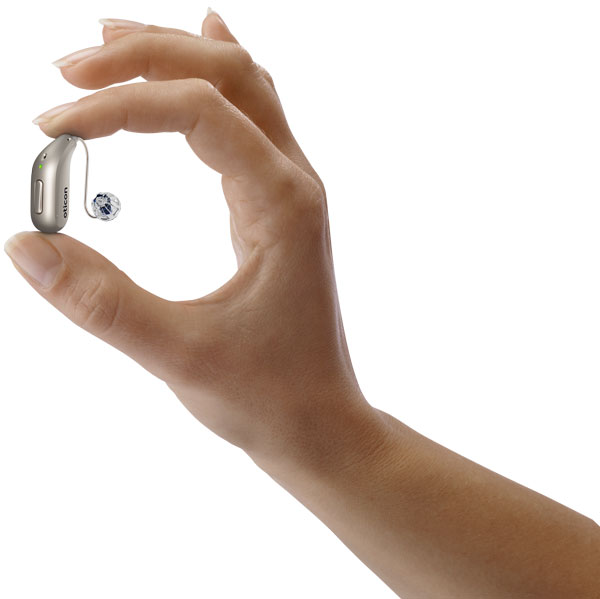
Modern AI-powered hearing aids do more than amplify sound—they learn from the wearer’s environment and adjust automatically in real time. Whether someone is in a noisy restaurant or a quiet living room, AI can distinguish between speech and background noise, reducing listening fatigue and making communication easier and more natural.
This kind of smart processing doesn’t just improve hearing—it supports mental and emotional well-being by helping users stay connected and engaged. Some advanced hearing aids now feature fall detection and activity tracking, serving as general health monitors in addition to their primary function as hearing solutions.
Smartphone apps are also changing how people manage their hearing care. Many allow users to fine-tune their devices, track listening environments, and even perform basic hearing checkups without a clinic visit. These tools empower users to take control of their auditory health, encouraging a more personalized and accessible model of care. For those managing tinnitus, some apps offer sound therapy or calming audio environments, providing both immediate relief and ongoing support.
Importantly, these digital tools are making hearing health more approachable, especially for younger users or those experiencing early signs of hearing difficulties who might not yet qualify for traditional hearing aids. By offering early support and self-guided tools, the barriers to care are beginning to break down.
Tele-audiology is another major step forward in making care more accessible. With remote programming and virtual consultations, patients—especially older adults or those in rural areas—can receive expert adjustments and follow-ups without needing to leave home. As digital platforms become more sophisticated, remote care may soon include comprehensive hearing assessments and auditory training programs, bringing high-quality services to anyone with internet access.
Looking to the future, hearing aids may play an even greater role in overall health monitoring. Emerging technologies suggest that biometric sensors could soon be built into hearing devices to track heart rate, temperature, and even early signs of neurological change. AI models may one day detect subtle shifts in auditory patterns that signal broader health issues, enabling earlier intervention across multiple conditions.
Some of the latest hearing platforms already utilize dual-processing systems that analyze speech and background sounds separately in real-time, enabling wearers to remain engaged in conversation without losing awareness of their surroundings. Other innovations include self-voice recognition, which adjusts how users hear their own voice, reducing discomfort, especially for new users.
These breakthroughs are not just about improving sound clarity. They help reduce cognitive load, sharpen mental focus, and support brain health. By making hearing aids smarter, more intuitive, and more aligned with individual needs, AI is helping more people address hearing loss earlier, before it affects their mental, cognitive, or emotional health.
Ultimately, the convergence of AI, apps, and smart devices is redefining what hearing care entails. Audiology is shifting from a reactive model—treating hearing loss once it has become severe—to a proactive, holistic approach that views hearing as central to overall well-being. The challenge now is to ensure these innovations remain accessible, affordable, and focused on the human experience, so that everyone, regardless of age or tech comfort, can benefit from a healthier way to hear and to live.
Dr. Roya Razin is an audiologist at Conejo Hearing Center, specializing in the intervention and treatment of tinnitus, as well as aural rehabilitation and the use of advanced hearing technologies. Conejo Hearing Center is located at 699 Hampshire Road, Suite 215, in Westlake Village. For more information, call 818.991.3800 or visit ConejoHearingCenter.com.
© Copyright 2025 Targeted Media Partners LLC All Rights Reserved